When is the Best Time to Visit India?
Find the best time to travel to India for an enriching and unforgettable vacation.
- Personalized trips to India at the best time of year
- Top tips from award-winning travel experts
- One-of-a-kind tours and excursions whatever the weather
- 24/7 flawless support from start to finish
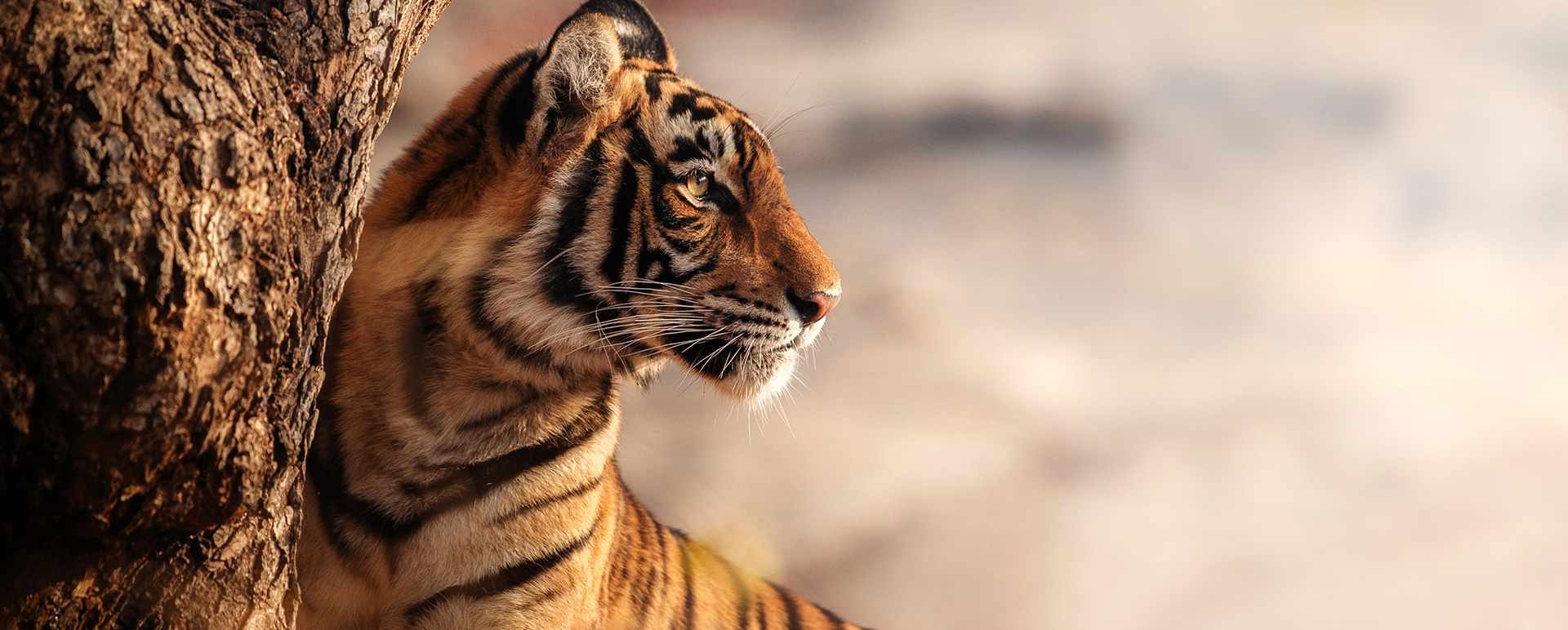
When considering a trip to India, one of the most important things to consider is the best time to visit. The country's vast size and diverse climate mean that the weather varies depending on the region you plan to explore. From the snow-capped peaks of the Himalayas to the dry deserts of Rajasthan in the north, the lush greenery of Kerala and the sun-kissed beaches of Goa in the south. For most of the country, the best time to visit India is between November and March when you can expect the weather to be dry, warm and sunny. Throughout this time, clear blue skies are typically on the menu. Generally, you want to avoid monsoon season, which is between June and September, apart from in the foothills of the Himalayas, such as Ladakh, where clear skies and temperate conditions can still be expected.
Monthly Climate Guide for India
, India
Average temperatures (Fahrenheit) and rainfall (inches)
India is a land of contrasts, not just in its landscapes and cultures but also in its climate. For instance, if you're drawn to the majestic mountains of northern India, the best time to visit Northern India is from October to March, when the weather is cool and conducive to exploring the great outdoors. Conversely, with its tropical climate, southern India is most pleasant between November and April, escaping the peak heat and humidity that dominates other times of the year.
As the seasons turn, so do the activities and experiences available across the country. June begins the monsoon season, transforming the landscape into a verdant paradise, especially in the Western Ghats and northeastern states. It is the best time for those who revel in the rain to travel to India. July, in particular, opens up the best places to visit in India, like the lush hill stations of the Himalayas, offering a respite from the heat. But no matter when you decide the best time to go to India for you, packing is key. Light and airy fabrics work well for most of the year, while warm layers are essential for winter months and higher elevations.
Regardless of the season, always bring rain gear, comfortable walking shoes, and sun protection to enjoy India's myriad experiences, from its bustling cities to serene landscapes. Understanding India's climate zones and preparing accordingly can turn your visit into an unforgettable journey perfectly tailored to your preferences and the unique beauty of each region.
India’s Seasonal Guide
Finding the best time to visit India will depend on what you’d like to do while you’re there. For sightseeing, you don’t want it to be too hot so travel to India in the winter months (December to February). This is also a great time of year to embark on a safari adventure in the central parts of the country. If you’re a sun-seeker, the heat in the south of India in March and April will appeal to you, and there are always palm trees and the sea to cool off in. While if it’s trekking that you’re excited about, the Himalayas from June to September offer up the ideal weather.
-

March, April, May
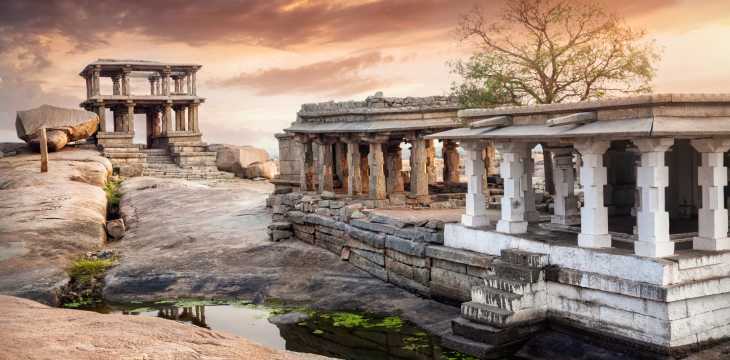
Summer runs from March to May, when temperatures in India are on average between about 89°F and 4113°F throughout the country, it’s very hot but is still one of the best times to travel to India, particularly around the Easter period before it reaches its very hottest weather. In March, head to Rajasthan for colorful cities and fabulous shopping. The state has it all, from leopard sanctuaries to literary festivals, camels and floating palaces. Don’t miss Jaipur for its architecture, cultural scene, food, and exquisite bazaars and boutiques, particularly during Holi (which is usually in March) to celebrate the end of winter with bonfires, music and colorful powder throwing.
Kerala and Karnataka are also beautiful in March and April. Cruising along the Backwaters in a houseboat in Kerala is a highlight of any holiday in India. Experience the magic of ayurvedic spa treatments and authentic yoga classes too. Northern Kerala has some of India’s nicest beaches, which are off-the-beaten-track, such as Marari Beach, while Karnataka is home to the UNESCO World Heritage Site of Hampi, an impressive collection of giant sandstone boulders and temples surrounded by paddy fields and farmlands.
-
June, July, August
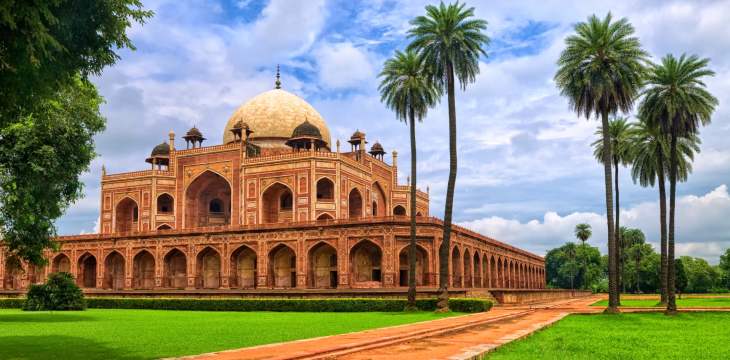
India’s monsoon season starts in June and runs up to September. Each region has its rainiest patch at a different time, the downpours usually start in the south in June and head north over the later summer months. Delhi in June will be hot and humid but not as wet as it will be in July, so if you’re restricted to traveling in these months, it’s a good place to visit, along with a day trip to Agra to see the Taj Mahal. Visiting out of season will get you better deals on the luxury hotels and seeing the Taj Mahal without the crowds is always a coup. As long as you are prepared for rain, you won’t be disappointed.
These months are the best time to go to India for trekking in the Himalayas. Ladakh’s fresh, crisp air provides relief from the intense heat of the cities.
-
September, October, November
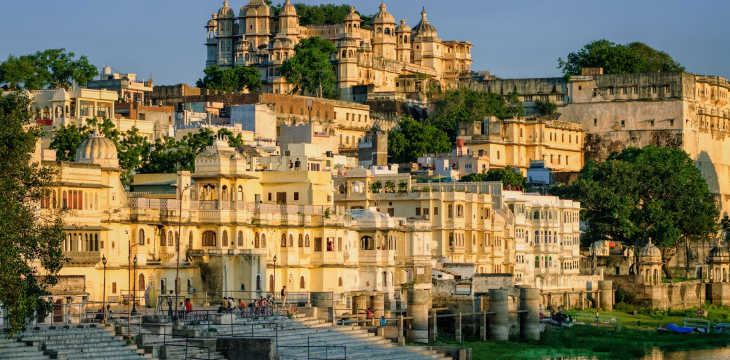
Post-monsoon is India’s shoulder season, and one of the best times to travel to India before the winter peak. Diwali, the Festival of Lights, is one of the most popular festivals celebrated in India, falling between October and November to mark the victory of light over darkness. Over five days the country will celebrate with fireworks, feasts, prayers, and parties. It’s a beautiful time to visit India, particularly Calcutta, where, along with diyas and colorful rangoli designs, they worship the goddess Kali Puna with replicas of her decorating the city. Udaipur is another of the best places in India to celebrate Diwali, as spectacular fireworks and paper lanterns decorate the sky above Pichola Lake, and street parties with DJs and delicious food line the city roads.
-
December, January, February
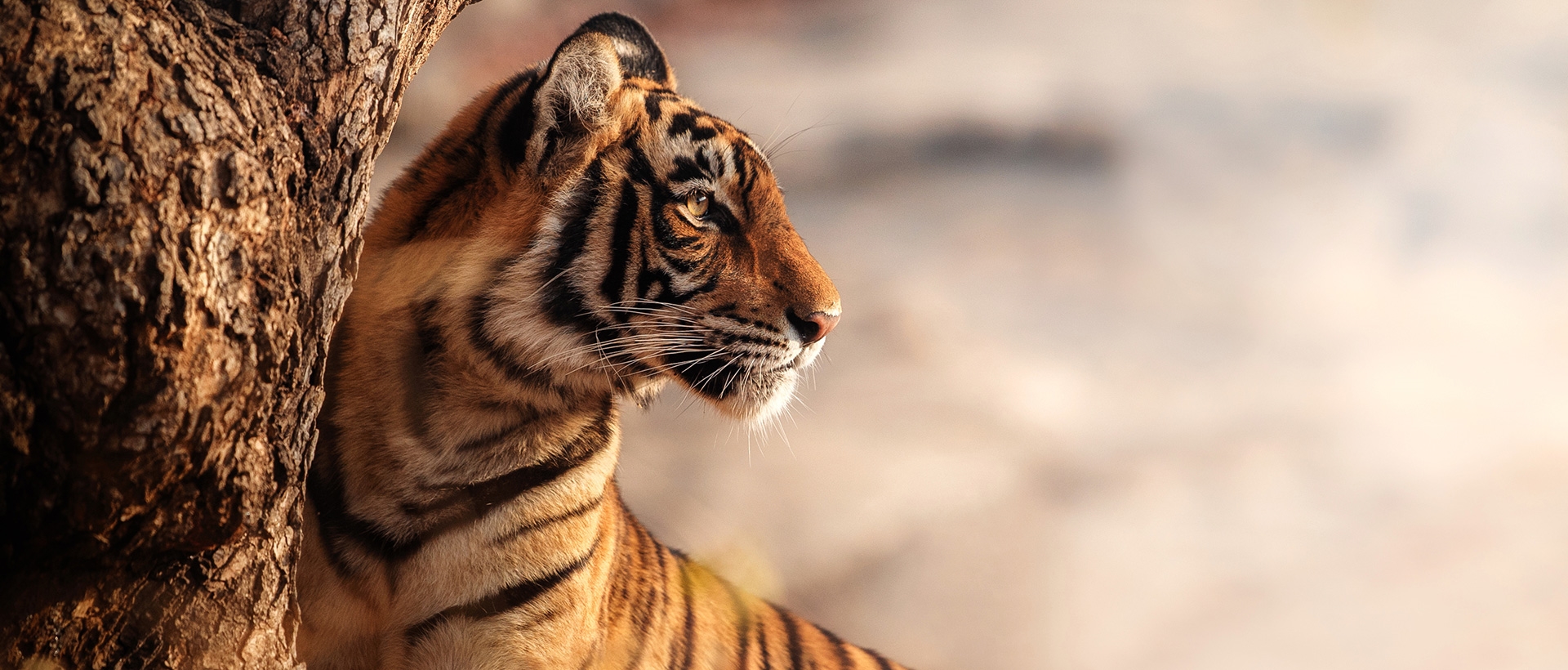
India’s winter is from December to February, when temperatures are warm and dry in the south and central parts of the country, but gets very cold, to the point of freezing, in the far north. This is the best time of year to visit India’s national parks, track tigers and feel like you’ve gone back in time at the luxurious safari camps. Stay in a treehouse in Bandhavgarh National Park or luxury tents in Kanha National Park, both in the central part of the country. The sunny days and dry landscape make it the perfect time of year to spot these incredible animals, along with leopards, sloths, and buffalo. Tie in the safari experience with a few days in Mumbai, watching the world go by on Colaba Causeway and soaking up the cosmopolitan culture.
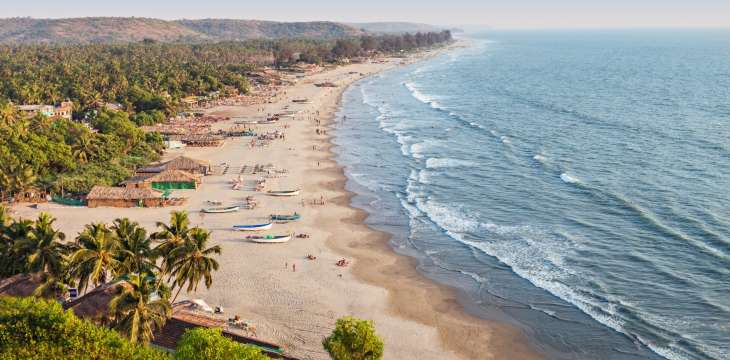
December, January or February are also ideal months to head south to Goa. Explore Portuguese architecture and stroll along soft, sandy beaches relaxing into the bohemian mood of the place. As a Christian region, Goa celebrates Christmas with nativity scenes, carol singing and spectacular decorations.
- March, April, May
- June, July, August
- September, October, November
- December, January, February
Best time to visit Northern India
Exploring the vibrant cities of Delhi, Jaipur, and Agra is a dream come true for many travelers. The best time to visit Northern India for these urban gems is during the cooler winter months, from October to March. This period offers the perfect climate for sightseeing, with temperatures comfortably ranging between 50°F and 77°F. It's an ideal time to marvel at iconic landmarks like the Taj Mahal, Hawa Mahal, and Red Fort without the daunting heat.
For those drawn to the serene beauty of nature, the Himalayas and picturesque hill stations such as Shimla and Manali beckon. The ideal months for visiting these scenic locations are between April to June and September to November. These months provide mild and welcoming weather conducive to activities like trekking and mountain biking, letting you soak in the spectacular views in pleasant conditions.
Northern India is also a tapestry of colorful festivals and events. Timing your visit around specific events can enhance your immersion in the region's rich cultural heritage. The Pushkar Camel Fair in November offers an extraordinary glimpse into camel trading, folk performances, and religious rituals, making it a standout event.
Meanwhile, the vibrant celebration of Holi in March, with its exuberant colors and joyous spirit, is an unforgettable way to welcome spring. These festivals are not just events but a window into the heart of Northern India, making the best time to visit Northern India not just about the weather but about the experiences that await.
Best time to visit Southern India
The best time to visit Southern India, with its lush landscapes and rich cultural tapestry, is during the winter months from November to February. This season is especially perfect for exploring popular destinations like Kerala and Tamil Nadu, where the weather is cool and dry. It's an opportune time to navigate the serene backwaters of Kerala or marvel at the architectural wonders of Tamil Nadu's ancient temples. The pleasant climate also makes it ideal for engaging in outdoor activities such as wildlife spotting and hiking, allowing travelers to appreciate the region's natural beauty and historical richness fully.
Weather in Southern India is characterized by two main monsoon seasons: the southwest monsoon from June to September and the northeast monsoon from October to December. These periods bring significant rainfall, particularly affecting Tamil Nadu and parts of Kerala, making it less ideal for travel due to potential disruptions and limitations on outdoor exploration.
Cultural and religious festivals play a vibrant role in the life of Southern India, offering visitors a deeply immersive experience of its traditions. Festivals like Pongal in Tamil Nadu, Onam in Kerala, and the Thrissur Pooram festival are not just celebrations but a window into the souk of the southern states. These events, rich in heritage and community spirit, are best enjoyed when the weather is agreeable, highlighting the best time to go to India for these enchanting regions.
Trip Ideas for Exploring India
For travelers pondering the best time to visit India, the answer lies in what they wish to explore. Iconic attractions like the majestic Taj Mahal, the vibrant streets of Delhi, and the tranquil backwaters of Kerala are best enjoyed during the cooler months from October to March, which are often considered the best time to travel to India.
Those in search of off-the-beaten-path destinations for unique experiences will find less explored regions like the Spiti Valley and the beaches of Gokarna captivating. This is especially true when visiting for such adventures as safari, which varies by region but often falls outside the heavy monsoon season.
Crafting itineraries that cater to individual interests—be it culture, adventure, or relaxation—is key for travelers and our specialty. Whether you're seeking the spiritual serenity of Varanasi or the untouched beauty of the Northeast, determining the best time to go to India can greatly enhance your experience.


Best Time to Visit India FAQs
-
May is typically the hottest month in India, with temperatures reaching 90–104°F, especially in the northern and central regions.
-
For a first-time trip to India, a Golden Triangle tour (Delhi, Agra, Jaipur) over 7-10 days is ideal, offering a taste of India's rich history and culture. This itinerary covers iconic sites like the Taj Mahal and Hawa Mahal.
-
Generally, spending at least two to three weeks in India allows for a deeper exploration beyond the major cities, giving you time to immerse yourself in the diverse cultures and landscapes.
-
The best time to visit India and Nepal is from October to March when the weather is cool and dry, ideal for exploring both countries' natural and cultural highlights.
-
India and the Maldives work really well as a multi-stop vacation, first getting an explosive hit of culture, before relaxing in a tropical island paradise. The best time of year to visit India and the Maldives is between December and April.
-
Flights to Sri Lanka from India take between an hour and a half and three hours, making the two countries easy to combine in one vacation. The best months to visit India and Sri Lanka are between December and April.
Call us on 212 372 7009 to start planning
Why Choose Scott Dunn for Your Luxury India Vacation?





Our team of travel specialists are waiting to help you book your next adventure.